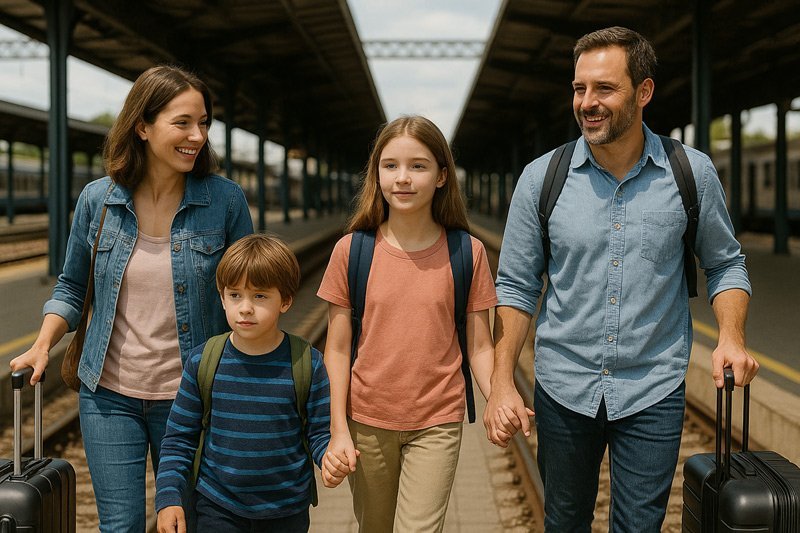
Travelling as a family can be an exciting adventure—but for parents of autistic children, it often brings extra layers of planning, patience, and preparation. Whether your autistic son struggles with changes in routine or your autistic child’s needs require a calm sensory room, going on autism friendly holidays can make all the difference.
In this guide, we’ll walk you through how to go on holiday with autistic children step-by-step — from holiday planning and booking airport assistance to packing sensory toys and creating social stories that reduce anxiety.
Let’s dive in.
🧩 Outline
Main Heading | Subtopics |
|---|---|
1. Introduction: The Joy and Challenge of Going on Holiday with Autistic Children | Why autism friendly holidays matter; The importance of preparation |
2. Understanding Autism and Travel Challenges | Sensory differences, usual routine, and the impact of new environments |
3. The Benefits of Autism Friendly Holidays | How autism friendly accommodations and sensory rooms support families |
4. Step-by-Step Holiday Planning for Autistic Families | Setting goals, researching destinations, creating visual schedules |
5. Choosing an Autism Friendly Destination | What to look for in holiday providers, local attractions, and hotels |
6. Travel Preparations at Home | Preparing your autistic child, using social stories, and communication cards |
7. Packing Essentials for an Autistic Child | Ear defenders, sensory toys, dietary requirements |
8. Air Travel and Airports: Managing Transitions | Airport assistance, London Gatwick Airport, priority access, airport staff |
9. Navigating Airport Security and Check-In | Practical advice to reduce anxiety for autistic travellers |
10. The Flight Experience: Comfort in the Air | Tips for a calm journey and avoiding sensory overload |
11. Staying in Autism Friendly Accommodation | The role of sensory rooms, introducing sensory rooms, and kids club sessions |
12. Keeping a Usual Routine on Holiday | Managing sleep, meals, and daily visual schedules |
13. Exploring Local Attractions | Adapting travel plans and finding autism friendly local attractions |
14. Supporting Your Autistic Child Abroad | Communication, special assistance, and additional support |
15. Safety and Health Considerations | Travel insurance, special needs, and emergency planning |
16. Returning Home: Transitioning Back to the Usual Environment | Post-trip adjustment and learning from previous holidays |
17. FAQs About Autism Friendly Holidays | Common questions from parents and families |
18. Final Thoughts and Helpful Resources | Link to autism friendly holidays directory and support networks |
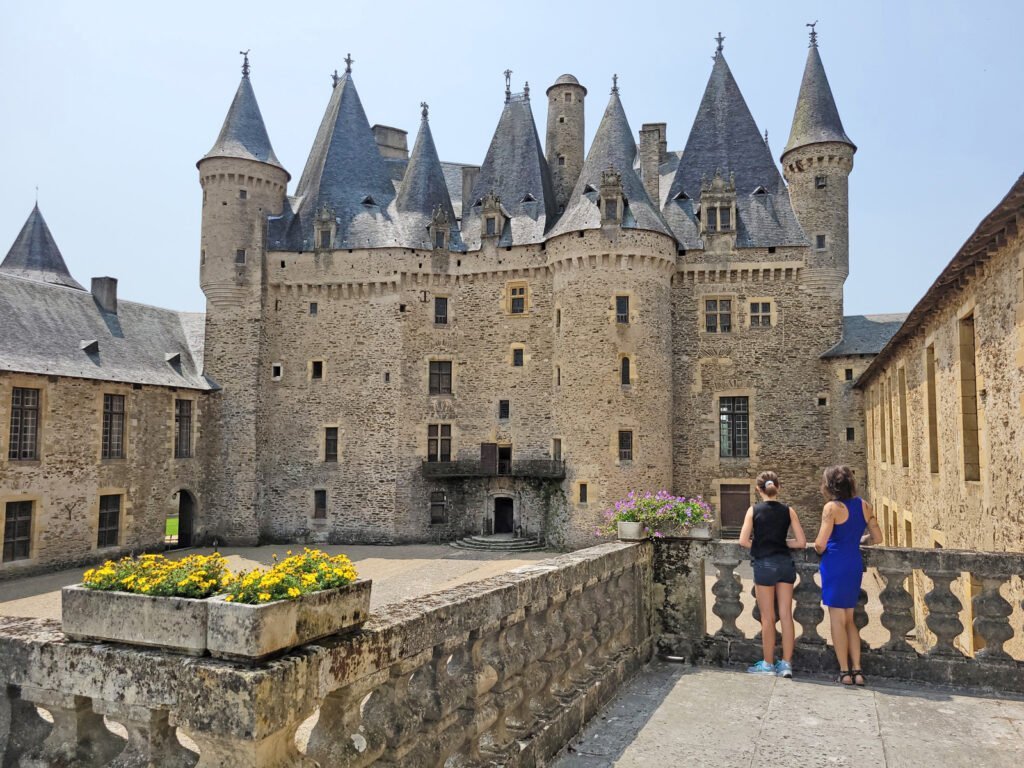
1. Introduction: The Joy and Challenge of Going on Holiday with Autistic Children
For many families, the thought of going on holiday brings excitement. But for parents of autistic children, it can also trigger worry. You might wonder how your autistic child will cope with bright lights, crowds, and unfamiliar places.
The good news? With the right holiday planning and an autism friendly holiday provider, you can create wonderful family holidays filled with calm, comfort, and connection.
Every autistic person experiences the autism spectrum differently, which means your trip should reflect your child’s unique strengths, interests, and sensitivities.
2. Understanding Autism and Travel Challenges
Travelling can disrupt an autistic child’s usual routine and introduce a new environment that might be unpredictable. These changes can lead to anxiety or sensory overload.
Common travel triggers for autistic people include:
- Sudden noise (like airport announcements)
- Bright lights and busy crowds
- Unexpected changes in routine
- Limited access to familiar foods or comfort items
Recognising these challenges early helps you plan autism friendly holidays that truly support your family’s needs.
3. The Benefits of Autism Friendly Holidays
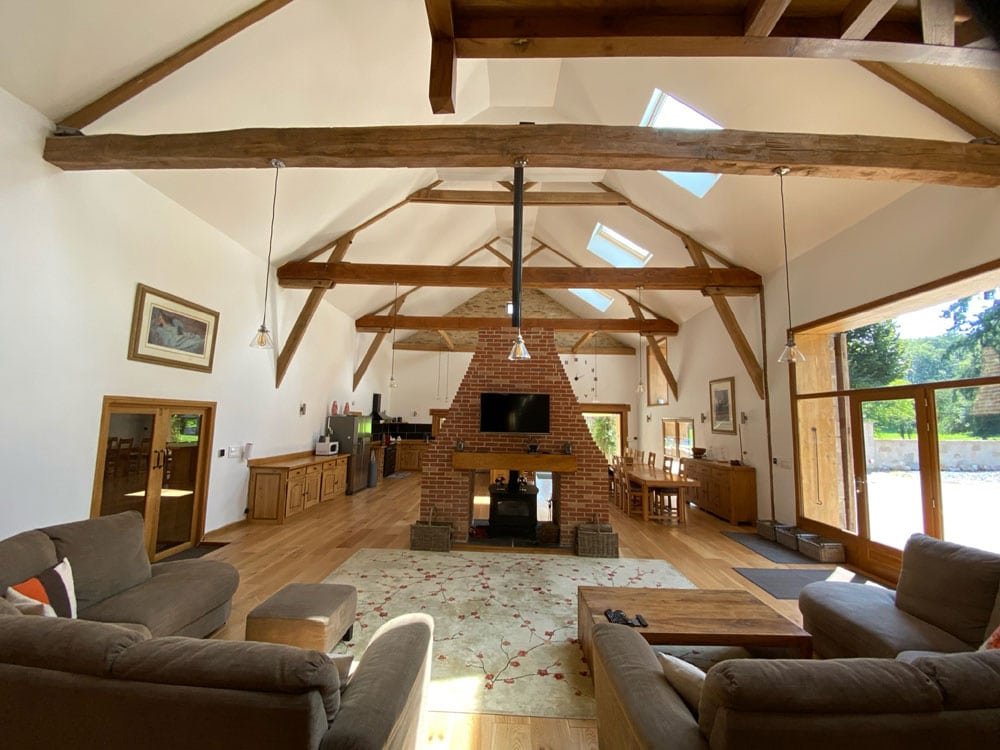
Autism friendly holidays are designed to reduce anxiety and help autistic children feel safe and understood.
Features might include:
- Quiet sensory rooms or relaxation spaces
- Trained staff with autism awareness
- Flexible kids club sessions
- On-site social stories and visual schedules
- Accessible facilities for people with disabilities
Such holiday providers empower families to relax, connect, and enjoy their time away—without fear of judgment or misunderstanding.
👉 Learn more about autism friendly holidays at Gîte Dordogne.
4. Step-by-Step Holiday Planning for Autistic Families
Start your holiday planning well in advance. The earlier you prepare, the smoother the journey will be.
a. Set Realistic Goals
Ask yourself what the whole family wants from the holiday. Do you need quiet time in nature, or fun local attractions?
b. Research Autism Friendly Providers
Choose holiday providers that offer autism friendly services and flexible travel arrangements.
c. Create a Visual Schedule
Use visual schedules to outline each part of the trip. This helps your autistic child anticipate what’s next and reduce anxiety.
d. Practice with Social Stories
Social stories explain upcoming events—like airport check-in or hotel stays—in a simple, reassuring way.
5. Choosing an Autism Friendly Destination
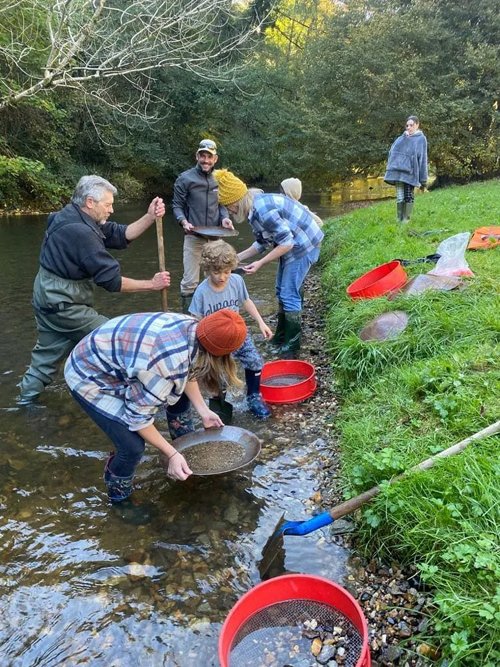
When selecting a destination, think beyond beaches and theme parks. Look for places that cater to neurodivergent guests and offer autism friendly experiences.
Checklist for Autism Friendly Destinations:
- Quiet, spacious hotels with sensory rooms
- Staff trained in autism awareness
- Nearby local attractions with accessible facilities
- Easy access to airport assistance and priority access lines
Many autistic travellers find comfort in locations with natural surroundings and low sensory input.
6. Travel Preparations at Home
Preparation begins weeks before departure. Use familiar tools and routines to help your child adjust.
Tips:
- Watch videos of your destination and airport
- Write social stories about going on holiday
- Pack favorite snacks for dietary requirements
- Discuss plans with the other parent or caregivers
- Prepare communication cards for non-verbal children
These small steps can make previous holidays’ lessons even more successful.
7. Packing Essentials for an Autistic Child
Packing is key to a calm trip. Include:
- Ear defenders for loud places
- Comfort items or sensory toys
- Medications and communication cards
- Familiar bedding to recreate the usual environment
- Snacks that meet dietary requirements
For a young person with specific special needs, consider a backpack filled with calming tools.
8. Air Travel and Airports: Managing Transitions
Airports can be overwhelming for autistic children. Thankfully, many airports now offer special assistance and priority access.
If flying from London Gatwick Airport, contact airport staff in advance to arrange:
- Quiet waiting areas
- Early boarding
- Access to sensory rooms
- Staff trained in autism awareness
These services can reduce anxiety and make going on holiday smoother for everyone.
9. Navigating Airport Security and Check-In
Security checks can be a stressful experience.
Here’s how to make it easier:
- Inform airport staff about your autistic child’s needs
- Use communication cards to explain special items
- Request priority access for faster lines
- Bring social stories describing each step
Remember, airport assistance teams are there to help.
10. The Flight Experience: Comfort in the Air
Flying with an autistic child can be challenging, but planning helps.
Tips for a calm flight:
- Choose seats near the front
- Use headphones or ear defenders
- Bring favorite comfort items
- Keep the usual routine with familiar snacks or activities
For one autistic person, having a visual schedule of take-off, meal, and landing times can prevent distress.
11. Staying in Autism Friendly Accommodation
Your hotel or rental property should feel like home.
An autism friendly holiday provider may offer:
- Private, quiet spaces
- Sensory rooms for relaxation
- Flexible mealtimes for dietary requirements
- Staff trained in supporting autistic children
Some accommodations specialize in introducing sensory rooms and hosting neurodivergent children with care.

12. Keeping a Usual Routine on Holiday
Autistic children often thrive on predictability. Try to maintain:
- Consistent meal and sleep times
- Familiar bedtime rituals
- Visual schedules for daily activities
Sticking to elements of your usual routine helps your child feel grounded in a new environment.
13. Exploring Local Attractions
Choose local attractions that are calm, quiet, and autism friendly.
Example: Visit nature trails, quiet beaches, or small museums.
Avoid overcrowded theme parks unless special assistance and priority access are available.
14. Supporting Your Autistic Child Abroad
Being in a new environment means extra patience.
Communicate clearly, use communication cards, and request additional support from staff when needed.
Your autistic child’s comfort should always guide your travel plans.
15. Safety and Health Considerations
Never overlook travel insurance—it’s essential for special needs families.
Check your destination’s healthcare facilities and bring copies of medical documents.
In case of emergencies, know where to access support for autistic people.
16. Returning Home: Transitioning Back to the Usual Environment
Returning can be just as hard as going on holiday.
Use social stories to explain that the holiday is ending and home routine is restarting.
Reflect on what worked well and what could improve in future family holidays.
17. FAQs About Autism Friendly Holidays
Q1: How to take an autistic child on holiday?
Plan early, choose autism friendly accommodations, and keep routines consistent.
Q2: What is the 6 second rule for autism?
It’s the idea of pausing for six seconds after asking a question, giving your autistic child extra time to process and respond.
Q3: Can I take my autistic child on holiday during term time?
Yes, but discuss with the school first. Some schools allow family holidays for autistic children needing sensory breaks.
Q4: Do autistic people struggle with holidays?
Some autistic people find holidays challenging due to changes in routine, but autism friendly holidays can make it easier.
Q5: What if my autistic son refuses to travel?
Use social stories, short day trips, and gradual exposure to new experiences before a long holiday.
Q6: How do I prepare for the airport?
Arrange airport assistance, use ear defenders, and practice visual schedules to reduce anxiety.
18. Final Thoughts and Helpful Resources
Travelling with autistic children doesn’t have to be a stressful experience. With planning, patience, and the right autism friendly holiday provider, your family can make wonderful memories.
Start exploring autism friendly holidays now at
👉 Gîte Dordogne – Autism Friendly Holidays.
✈️ In Summary
- Preparation is key.
- Keep routines consistent.
- Choose autism friendly destinations.
- Use tools like social stories and visual schedules.
- Always seek support when needed.
With thoughtful holiday planning, your autistic child can enjoy a positive, enriching experience that benefits your whole family.
Ready to Book? Contact us here to call or message us with any requirements you have, and to place your booking. Check availability here. Any problems or queries whatsoever, just call us here.

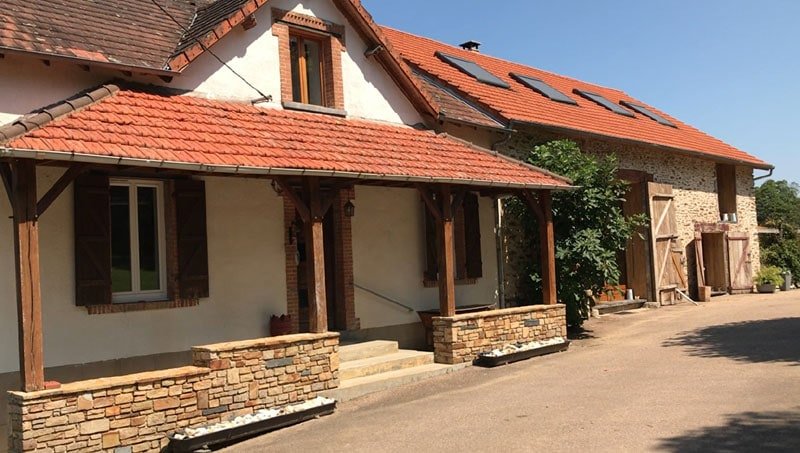
Owner of the stunning gite in Dordogne, south-west France, Duncan designed and project-managed all of the renovations here and was hands-on with some of the building, from the Banquet Hall and Games Room to the private pool.
Duncan offers high-end luxury family holidays here at this stunning farmhouse villa, for families to have fun, relax and create happy memories together.
We also specialise in helping families with autistic children to have great family holidays together in the peace and tranquility of the rural French countryside.